Underpaid, overpaid, late: what happens to a crypto payment that does not match
When a customer sends too little, too much, too late or the wrong coin: what they see, what you decide, and what happens if nobody decides.
この記事は英語版のみです。
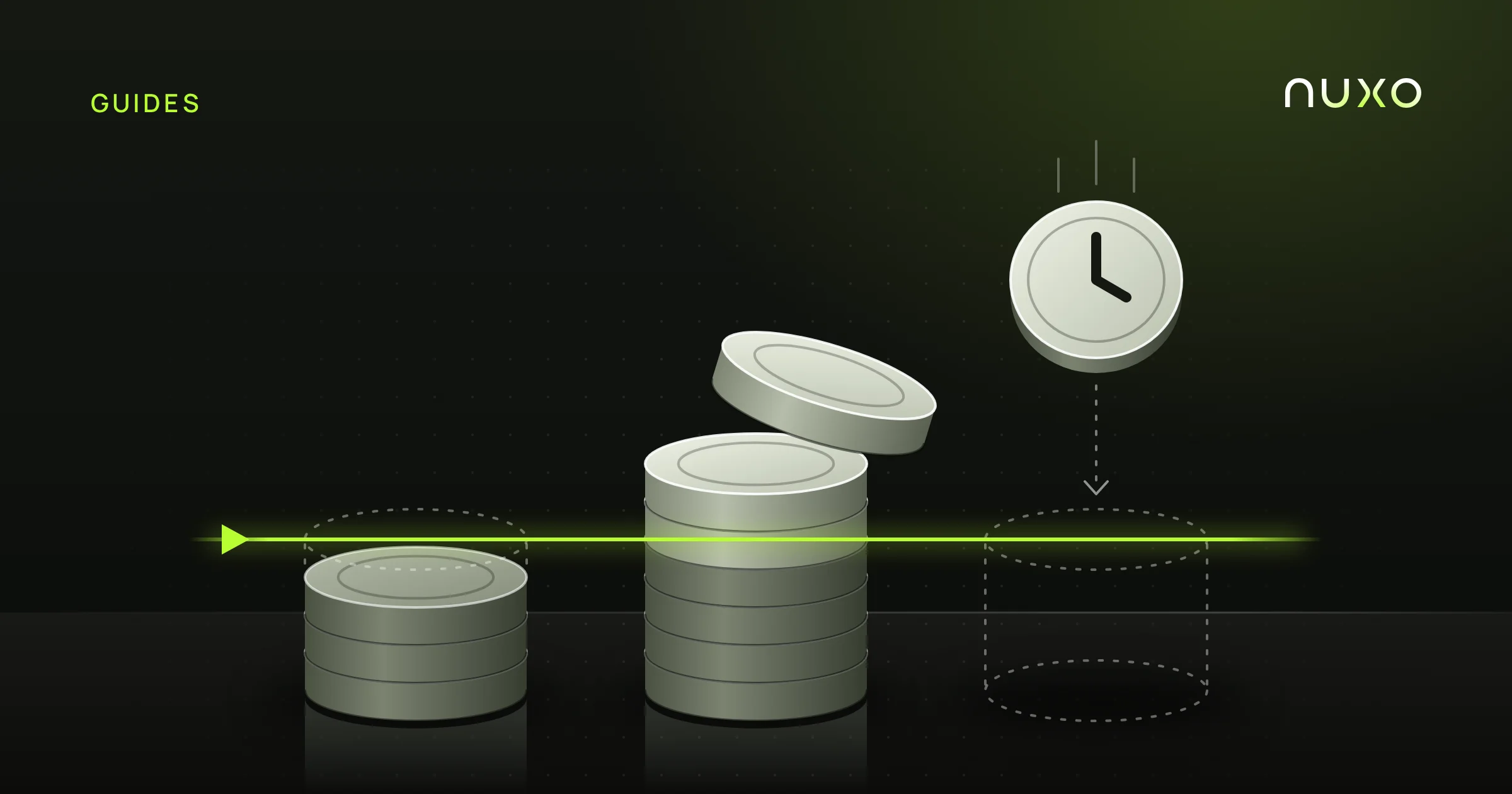
A card payment is always the amount on the screen. A crypto payment is whatever the customer sends: a wallet that takes its own fee out of the amount, a figure typed by hand, a second payment after the first, a coin sent to the wrong place. No bank or card network stands behind it to take any of it back. Here is what happens to each kind of payment that does not match, what your customer sees, and what is left for you to decide.
Too little: the payment waits
A payment that arrives short is underpaid, and nothing reaches your balance yet. Your customer’s checkout shows what is still owed and the same address to send it to; when the rest lands, the payment is paid and credited as usual. A short payment is never lost, and none of it is credited until the rest lands or you accept it.
While it waits, the choice is yours:
- Accept what arrived. It is credited, and our fee is taken once, as for any payment.
- Send it back to your customer, less the network fee.
- Have every short payment sent back at once, a setting, so none waits for you.
If nobody decides
A short payment that nobody settles within 7 days goes back to the customer automatically, less the network fee. You are told about a day before.
Not every cent short is a short payment. In the console’s settings you choose how far below the amount asked a payment may arrive and still count as paid in full, so a wallet that rounds or keeps a little for itself does not hold up an order. A change applies to the payments you create after you save it.
Too much: it is paid, and the customer can claim the rest
A payment that arrives over the amount is overpaid and counts as paid, so you can fulfil the order. The excess is held for your customer for 7 days, out of your balance. The checkout asks for their email before it shows where to pay, and when more arrives we email them a link: on it they send the excess to an address of their own, or back to the address that paid where the network allows, less the network fee, with nothing waiting on you.
A payment you show on your own page never asked for an email, so you get a one-time claim link instead, on the payment, in its payment.overpaid webhook and in the console, to pass to your customer. A refund you send while the excess is held covers only the price; what nobody claims within the 7 days is yours. An excess that would cost as much to send back as it is worth stays paid, with nothing to ask for. After the hold you can return any of it yourself, with a refund.
Too late: the blockchain’s clock decides
A payment is open for a set time, which your customer sees as a timer on the checkout. What counts is when the blockchain stamped the transfer, not when it reached us: a payment stamped before the time ran out, with a short allowance for clocks that differ, still counts. The payment comes back to life and is credited as usual.
Money stamped later is not matched to the order, and neither is a second payment to one that is already paid. It is not lost either: it waits as a stray deposit owed to you, below.
The wrong coin, or the wrong network
A customer can send a different coin we take to a payment’s address on an EVM network, USDC where the order asked for USDT. It does not pay that order, but it is yours:
ヘルプセンターより
誤った通貨で入金された場合は、どうなりますか?
失われることはありません。EVMネットワークで、当社が対応する別の通貨が支払いのアドレスに送られた場合、その注文の支払いにはなりません。XRP Ledger、Stellar、Hederaで、支払いのメモまたはタグを付けて当社が対応する別の通貨が送られた場合も同様です。当社がその資金を回収してスクリーニングし、自社に帰属するものとして、コンソールの「Stray deposits」タブに一覧表示します。受け入れると、回収にかかった費用と通常の手数料を差し引いて残高に入金されます。入力したアドレスに返送することもできます。30日以内にどちらも選ばなかった場合は、自動的に受け入れられます。
回答を読むThe right coin on the wrong network is often nothing at all. On the EVM networks one address works on every network, so a token sent to the payment’s address on another EVM network we take, while the payment is open, is usually found there and credited, with nothing for you or your customer to do. A transfer on a network of another kind, or on one we do not take, cannot be matched.
What you hear, and when
Each of these is an event your server can hear, signed:
payment.underpaid: a payment arrived short.payment.overpaid: it arrived over, and counts as paid; it says what is held for the customer, and carries the claim link to pass on when the customer gave no email.payment.paid: it is paid in full, a short payment made whole included.refund.created, thenrefund.confirmed: money is on its way back, then there.stray_deposit.ready: a stray deposit waits for your decision.
Fulfil an order from the signed payment.paid or payment.overpaid, never from what the checkout showed. How webhooks work.
よくあるご質問
Is Nuxo’s fee taken on a short payment?
Only if you accept it: then it is credited and the fee is taken once, as for any payment. A short payment that goes back to the customer earns no fee, and the refund’s network fee comes out of what the customer receives.
Does an underpaid payment show in my balance?
No. Nothing is credited until the rest arrives or you accept what came. If it goes back to the customer instead, your balance is never touched.
 X
 LinkedIn